

Blog
Anime Boots: Drawing Silhouettes, Footwear, and Styling
The gist: Exploring anime boots highlights how character illustrators adapt equestrian riding boots, tactical combat footwear, and heavy platform silhouettes to ground dynamic character designs. Translating these dramatic footwear silhouettes into daily streetwear requires balancing shaft height with proper leather break-in conditioning.
Footwear is the literal and metaphorical foundation of character design. When an illustrator constructs an outfit for a traveling adventurer, urban scout, or wandering swordsman, the boots establish physical grounding, agility, and readiness for harsh terrain. From knee-high riding boots with equestrian spurs to chunky lug-soled tactical stompers, animated footwear communicates personality and practical utility before a character takes a single stride.
However, bringing these dramatic footwear styles into a functional everyday wardrobe requires understanding silhouette proportions, leather conditioning, and anatomical ankle support. Without proper break-in techniques and styling restraint, heavy leather boots can cause painful blisters and look disconnected from casual city attire. Below is your comprehensive guide to the major footwear categories used in illustrated media, three-view drawing construction methods, and workshop break-in tips for rocking statement boots in real life.
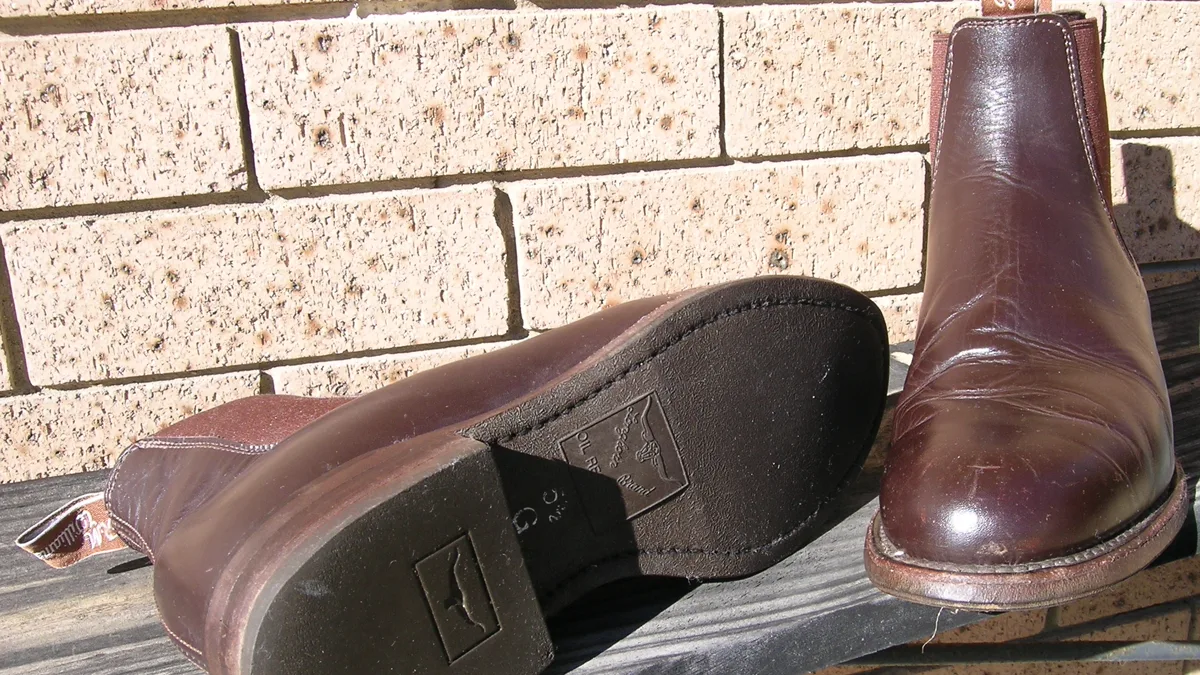
| Boot Archetype | Design Read & Silhouette | Real-World Footwear Equivalent | Daily Street Styling Tip |
|---|---|---|---|
| Equestrian Riding Boot | Knee-high smooth leather with contoured calf and low heel | Traditional English field boot or dressage boot | Tuck into slim dark trousers with an oversized cardigan |
| Tactical Combat Stomper | Ankle-height with heavy speed-lacing eyelets and deep lug treads | Military service combat boot or 8-eye utility boot | Pair with relaxed cargo trousers and structured overshirt |
| Engineer / Biker Boot | Pull-on calf shaft with heavy brass buckle straps across instep | Heavy oil-tanned harness or motorcycle engineer boot | Wear under wide-leg raw denim with rolled cuffs |
| Exaggerated Platform Boot | Extruded foam midsole (50mm+) with chunky cleated outsole | Gothic creepers or modern avant-garde chunky platforms | Anchor minimalist monochrome outfits with cropped trousers |
What boot archetypes define anime boots in character design?
Dominant illustrated boot archetypes include high-shaft equestrian riding boots, rugged eight-eyelet combat boots, buckle-accented engineer boots, and chunky cleated platform soles. Each silhouette communicates specific personality traits regarding agility, discipline, and tactical readiness.
When studying classic character sheets, footwear designs fall into specific functional categories:
- Equestrian Field Boots: Sleek knee-high shafts with contoured calf lines indicate formal military training, noble heritage, or supreme horse-riding mastery.
- Combat Service Boots: Ankle-high lace-ups with reinforced steel toes telegraph urban survival, practical durability, and rugged resilience.
- Buckled Engineer Boots: Heavy pull-on leather with lateral harness straps signals mechanical expertise, industrial workwear roots, and independent rebel attitudes.
- Chunky Platform Boots: Thick architectural midsoles provide avant-garde artistic flair, elevating characters physically while creating dramatic gravity in grounded battle stances.
Choosing the appropriate footwear archetype helps illustrators communicate a character’s physical role before introducing combat dialogue. A heavy tank character requires a wide, grounded foundation, whereas an agile scout demands streamlined ankle contouring.
How do you construct three-view boot drawings from 2D planes?
Constructing three-view boot drawings requires breaking the footwear down into simplified three-dimensional geometric primitives across front, side, and three-quarter perspectives, ensuring consistent sole thickness, ankle curve, and toe-box taper.
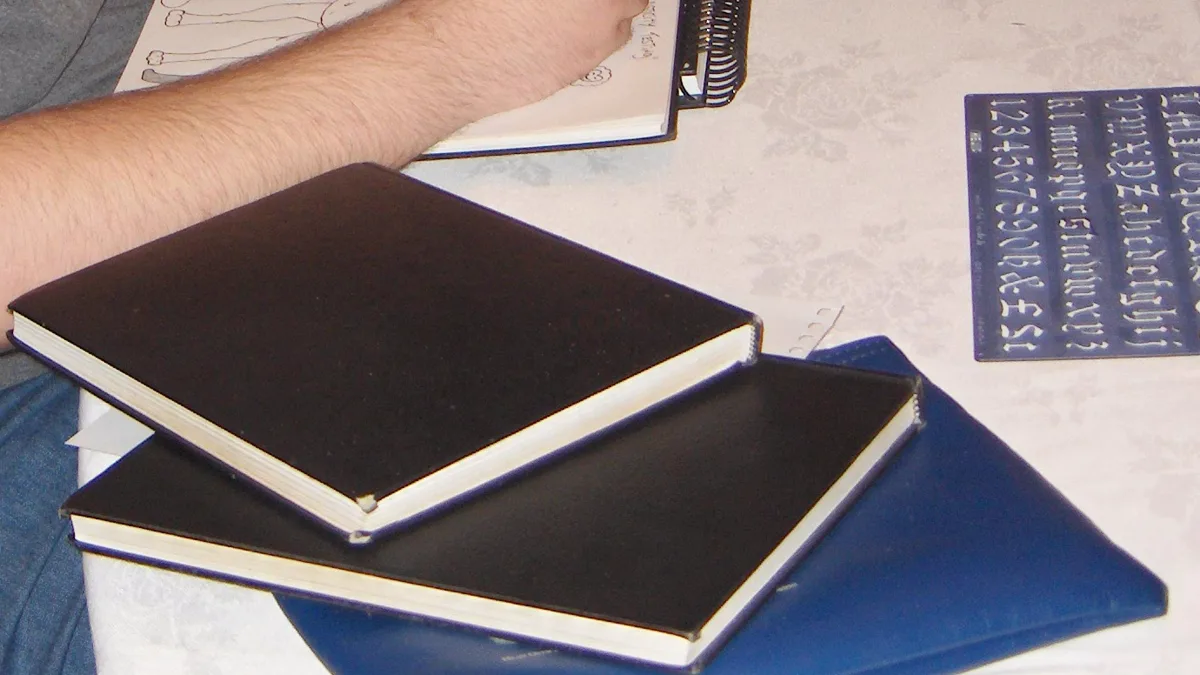
When drawing footwear for character model sheets, artists follow a disciplined four-step construction method:
- Step 1 (Ground Plane and Wedge): Block in a low rectangular wedge for the sole and heel block, establishing ground perspective.
- Step 2 (The Ankle Cylinder): Draw an angled cylinder representing the lower leg shaft, tilting forward slightly to match natural posture.
- Step 3 (The Instep Dome): Connect the shaft cylinder to the sole wedge with an arched dome curve over the instep arch.
- Step 4 (Flesh Out Details): Add thickness to leather seams, speed-hook eyelets, and sole tread patterns, keeping proportions consistent across all three views.
How can you style dramatic statement boots in daily streetwear?
Styling dramatic statement boots in daily streetwear requires balancing heavy footwear volume with thoughtful trouser hem proportions, ensuring the shoe collar integrates cleanly without bunching awkwardly around the ankle joint.
The key to making statement footwear look natural is understanding visual weight. If you wear heavy combat boots with deep lug soles, avoid ultra-skinny pants that create a top-heavy cartoon silhouette. Instead, opt for relaxed straight-leg denim or tailored cargo pants that drape cleanly over the boot shaft.
For days when full leather boots feel too heavy for casual city commuting, modern streetwear enthusiasts often switch to structured high-top sneakers. Lifestyle brands like LittleOwh create graphic high-top footwear that preserves the bold ankle-hugging silhouette of classic boots while providing lightweight sneaker cushioning for all-day comfort.
As explored in our companion guide on character design fashion translation, pairing statement footwear with clean, monochromatic foundational basics creates an effortlessly cohesive street look that lets your shoes shine as the hero piece.
Paying attention to hardware accents, such as gunmetal eyelets or matte brass buckles, helps you coordinate your footwear with surrounding accessories like belts, watch straps, or bag hardware.
What workshop steps ensure comfortable leather boot break-in?
Comfortable leather boot break-in requires applying a rich mink oil or leather conditioner to soften tough hide fibers, wearing thick merino wool socks, and wearing the boots for two-hour indoor sessions across the first week before taking them on long outdoor walks.
Heavy leather footwear requires time to mold to the unique contours of your feet and arches. Trying to wear brand-new stiff boots on an eight-hour walking tour is a direct path to painful heel blisters.
Follow this workshop break-in routine:
- Condition the leather: Massage a thin layer of leather conditioner or beeswax paste into high-flex zones like the vamp and heel counter to improve flexibility.
- Double-sock method: Wear a thin moisture-wicking sock under a thick wool sock to cushion friction points along the Achilles tendon.
- Short indoor wear: Walk around your house for one to two hours daily over five consecutive days to let foot warmth soften the leather footbed.
- Cedar shoe trees: Insert aromatic cedar shoe trees between wears to absorb moisture and maintain the shoe’s crisp shape without creasing collapse.
How do you maintain and weatherproof full-grain leather uppers?
Maintaining full-grain leather uppers requires brushing away dried dirt with a horsehair brush, applying a pH-neutral leather cleaner every three months, and sealing the exterior pores with an all-natural beeswax waterproofing wax to repel rain and road salt.
Regular maintenance extends the lifespan of leather boots by decades. Avoid drying soaked boots near radiators or heat vents, as rapid heat exposure dries out natural tanning oils and leads to deep leather cracks along the vamp.
Allow wet boots to dry naturally at room temperature, stuffed with newspaper to maintain structure, before applying a light conditioning cream to replenish moisture.
Different tanning methods demand distinct care formulations. Vegetable-tanned leather absorbs rich waxes and darkens gracefully over time, forming a handsome patina that highlights natural hide grain. Chrome-tanned leather requires lighter emulsified creams that maintain suppleness without leaving waxy surface residues.
Applying an edge dressing to raw leather midsoles every season protects exposed welt stitching from road moisture and grit, preventing premature delamination along the outer perimeter.
What outsole construction methods provide the best traction?
Outsole construction methods like Goodyear welted lug soles and stitched Norwegian welts provide the best combination of water resistance, rugged terrain traction, and long-term resoleability for heavy-duty boots.
A stitched welt allows a cobbler to remove a worn-out tread and stitch on a fresh rubber outsole multiple times without damaging the upper leather, ensuring your favorite footwear lasts for decades.
Beneath the visible outsole, internal shank materials provide vital torsional rigidity and longitudinal arch support. Heavy-duty boots incorporate tempered spring steel or layered composite shanks sandwiched between the insole and midsole, preventing foot fatigue during extended walking sessions across hard pavement.
Choosing between dense Vibram rubber commando lugs and lightweight EVA wedge soles allows you to tailor your footwear to specific environments. Deep lug patterns excel on loose outdoor trails and wet gravel, while flat wedge soles provide plush cushioning and smooth mobility on city concrete.
Footwear silhouette design by the numbers
- 7 days average conditioning window required to break in heavy leather service boots (workshop standard).
- 3 standard drawing views required for concept character model sheets (front, lateral side, three-quarter).
- 8 eyelets standard for traditional military service ankle boots (footwear specification).
- 50 millimeters minimum sole thickness defining exaggerated chunky platform footwear (styling guide).
- 2 hours maximum wear duration recommended during initial break-in stages (care guideline).
- 3 months recommended maintenance interval for deep leather conditioning (preservation standard).
Why solid footwear foundation anchors any outfit
Footwear anchors both fictional character designs and real-world outfits by defining posture, mobility, and aesthetic attitude. Whether you are sketching dynamic boots on an illustration canvas or breaking in real leather footwear in your workshop, paying attention to craftsmanship and silhouette proportions ensures your style stands on solid ground. What boot style is your go-to choice for autumn and winter?
Reader mail
How do I prevent blisters when breaking in new leather boots?
Wear thick wool socks, apply leather conditioner to soften stiff heel counters, and break them in gradually in short two-hour indoor sessions.
What is the difference between combat boots and engineer boots?
Combat boots feature front laces and speed hooks for tight ankle support, while engineer boots are pull-on styles with adjustable buckle straps across the instep.
How should trousers sit over high-shaft boots?
Trousers can be tucked smoothly into riding boots or cuffed cleanly above combat boot collars to create intentional proportional lines.
Why are boot designs in anime so exaggerated?
Exaggerated proportions, oversized buckles, and chunky soles enhance visual readability in small manga panels and communicate physical presence.
How we researched this: techniques, cure times and terms were checked against maker and reference pages. AI tools helped draft the article.
Sources: Footwear pattern construction technical reference, Orthopedic footwear ergonomics and break-in guide, Traditional leather tanning and care documentation